Understanding Lymphoedema: Symptoms Causes and Treatment Options
Lymphoedema is a chronic condition that affects millions of people worldwide. It occurs when the lymphatic system, which helps remove excess fluid and waste from tissues, becomes impaired. This leads to swelling, usually in the arms or legs, and can cause discomfort, pain, and mobility issues. Understanding the symptoms, causes, and treatment options for lymphoedema is essential for managing the condition effectively and improving quality of life.
What Is Lymphoedema?
Lymphoedema happens when lymph fluid builds up in the body’s tissues because the lymphatic system cannot drain it properly. The lymphatic system is a network of vessels and nodes that work alongside the circulatory system to maintain fluid balance and support immune function. When this system is damaged or blocked, fluid accumulates, causing swelling.
This swelling can be mild or severe and may affect one or both limbs. In some cases, lymphoedema can also impact other parts of the body, such as the face or abdomen. The condition can be primary, meaning it is caused by inherited abnormalities in the lymphatic system, or secondary, resulting from injury, infection, surgery, and cancer treatments.
Recognising the Symptoms of Lymphoedema
Early recognition of lymphoedema symptoms is crucial for timely treatment. Common signs include:
Swelling in the limbs: This often starts in the hands, feet, or ankles and may progress upward.
A feeling of heaviness or tightness in the affected area.
Restricted range of motion due to swelling and discomfort.
Skin changes, such as thickening or hardening.
Recurring infections in the swollen area (cellulitis).
Pitting edema where pressing the swollen skin leaves a temporary indentation.
Symptoms often develop gradually and may worsen over time if left untreated. People with lymphoedema may also notice that clothing or jewelry feels tighter on the affected limb.
Common Causes of Lymphoedema
Understanding what causes lymphoedema helps in prevention and management. The main causes include:
Surgery or radiation therapy for cancer, especially breast, pelvic, or abdominal cancers. These treatments can damage lymph nodes or vessels.
Infections such as cellulitis or filariasis, a parasitic infection common in tropical regions.
Trauma or injury that damages lymphatic vessels.
Obesity, which can put extra pressure on the lymphatic system.
Congenital defects in the lymphatic system, leading to primary lymphoedema.
For example, breast cancer survivors often develop lymphoedema in the arm on the side where lymph nodes were removed or irradiated. This is a well-documented cause of secondary lymphoedema.

Treatment Options for Lymphoedema
While there is no cure for lymphoedema, several treatments can help control symptoms and improve limb function:
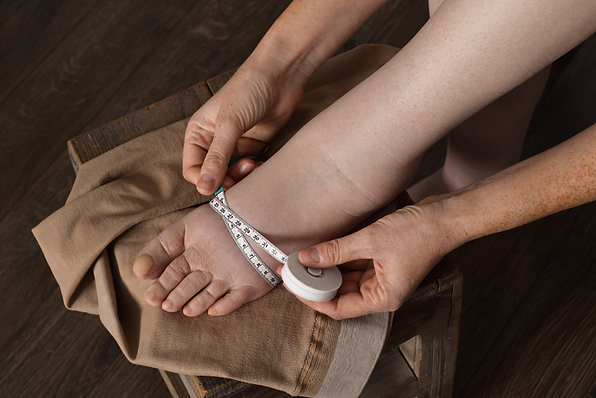
Compression therapy: Wearing compression garments like sleeves or stockings helps reduce swelling by encouraging lymph fluid to flow back toward the body. It is very important that these are fitted by an expert, as badly fitting garments can cause damage and worsening of symptoms.
Manual lymphatic drainage (MLD): A specialised, gentle massage technique that stimulates lymph flow.
Exercise: Gentle, regular movement supports lymph drainage and maintains limb mobility.
Skin care: Keeping the skin clean and moisturised reduces infection risk.
Pneumatic compression devices: Machines that apply intermittent pressure to the limb to move lymph fluid.
Weight management: Maintaining a healthy weight reduces strain on the lymphatic system.
At Brae Physio, we work closely with our patients to develop a personalised treatment plan.
Living with Lymphoedema
Managing lymphoedema requires ongoing care and lifestyle adjustments. People with this condition should:
Avoid injuries, insect bites, or burns on the affected limb as much as possible.
Elevate the limb when possible to reduce swelling.
Avoid tight clothing or jewelry that can restrict lymph flow.
Monitor for signs of infection and seek prompt treatment if needed.
Summary
Lymphoedema is a manageable condition when caught early and treated properly. Recognising symptoms and understanding causes can lead to better outcomes. Treatment focuses on reducing swelling, preventing complications, and improving quality of life. If you or someone you know experiences unexplained limb swelling, consulting a healthcare provider is a crucial first step.
Taking control of lymphoedema means staying informed, following treatment plans, and making lifestyle choices that support lymphatic health. With the right care, people with lymphoedema can lead active, fulfilling lives.


Comments